Beyond The Serum: The Psychological Truth No Beauty Brand Tells You
My Journey Began as a Complete Novice
If you had told me two years ago that I’d be writing about skincare rituals, I would have laughed. My “beauty routine” was, generously, a five-minute splash of water in the morning and whatever moisturizer happened to be on sale. Words like “hyaluronic acid,” “double cleanse,” and “SPF 50+” might as well have been advanced chemistry terms. The world of essences, exfoliants, and facial mists was a distant galaxy I had no intention of visiting.
My entry into this glowing, serumed-up universe was a complete accident—a classic case of being in the right digital place at the right time. A cosmetics company wasn’t looking for a beauty guru; they needed someone who understood Google Analytics, conversion funnels, and content strategy. With my background in digital marketing and a resume built on adaptability, I got the job. I walked in on my first day armed with spreadsheets and SEO keywords, entirely clueless about the difference between a toner and a treatment.
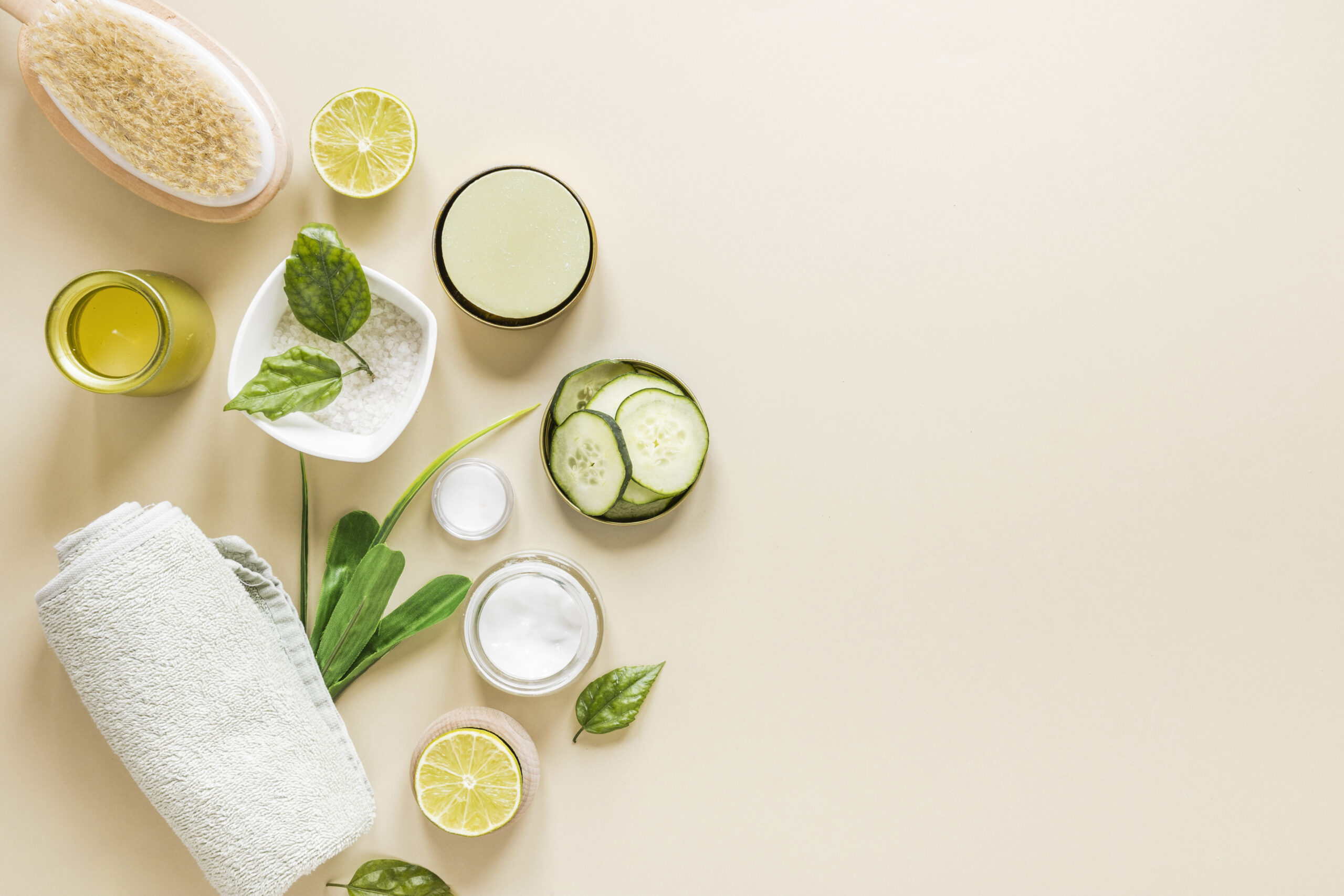
This professional detour, however, quickly became a profound personal doorway. The company didn’t just give me a laptop and a desk; they handed me an education. I was immersed in ingredient glossaries, taught about skin types and concerns, and yes—given a veritable treasure trove of products to experience firsthand.
It was an invitation, not to become a salesperson, but to become a student. My skeptical, minimalist bathroom shelf was about to get a major upgrade, and my understanding of what “self-care” could mean was on the verge of a quiet revolution. This was the unexpected beginning: not with expertise, but with open-handed curiosity.
The Skeptic’s Mindset
Let’s be honest—when I first opened that box of new products, my inner critic was already writing the review. I hadn’t just entered the beauty industry as a novice; I’d entered as a skeptic.
My view had long been shaped by the loudest voices in the room: advertisements promising ageless perfection, influencers showcasing flawless “results,” and luxury brands charging astronomical sums for tiny, elegant jars. To me, it often felt like a brilliantly engineered ecosystem of insecurity commerce. Where people paying for science, or for the soothing fiction of transformation? I questioned whether a $100 serum could truly deliver anything a $15 moisturizer couldn’t. I was wary of the overhyped promises and deeply curious if the real, tangible value could ever justify the often staggering price tag.
So, I didn’t approach this new world with starry-eyed belief. I approached it like a journalist—or maybe a detective. My curiosity wasn’t about being converted; it was about finding the substance behind the shine. Could there be worth here that I was missing, or were my suspicions correct?
I decided to use my own experience as the ultimate test. Not just a one-time try, but a consistent practice. I set aside the marketing copy and focused on the ritual itself: the feel, the routine, the personal moment it created. My conviction would have to be earned, not by a brand’s slogan, but by my own authentic experience. This skeptical mindset, it turned out, wasn’t a barrier—it was my most honest starting point.
The First Ritual: Noticing a Shift
Then, I tried my first dedicated routine. As I took the time to follow the steps, something subtle shifted. It wasn’t about a miracle ingredient or a dramatic overnight change. It was about the ritual itself. In that quiet, personal moment, I realized these practices were more than just steps toward a physical result. They became gentle, daily reminders to pause and connect with myself. It wasn’t about “fixing” anything; it was about honoring a moment of quiet attention.
The Ritual Revealed: What Often Goes Unspoken
What became clear was that the true power of these routines often lies beneath the surface. In that quiet, personal space, I touched on what some describe as an internal sense of agency. When we engage intentionally with our own care, we move from passive to active in our own well-being.
This is the layer that isn’t always highlighted: the value of a routine can be as much about the mindful practice as it is about any specific formula.
The Practice of Present-Moment Awareness
So much focus is placed on outcomes, but little is said about the mindful process itself. The motions—gentle, deliberate, focused—can become a form of present-moment self-care.
It brings scattered attention back to the here and now, to the self. This isn’t vanity; it’s a practice in awareness. Research even suggests that focused, caring rituals can help soothe the nervous system. The real sense of calm often comes not from an external ingredient, but from the internal space the ritual creates.
Reconnecting with Yourself
I began to see these rituals as less about correcting flaws and more about self-connection. The sense of care I felt wasn’t imposed by an ad; it was a personal, internal experience—a reconnection with a part of myself I often overlooked in the daily rush.
That’s the quiet insight: by tending to the surface with intention, we can nurture a deeper layer of self-awareness. We aren’t just completing steps; we are cultivating a relationship with ourselves.
The Core Takeaway: The Nurture Principle
The beauty world speaks in the future tense. It sells a vision of the person you could be—flawless, renewed, perfected. The promise is always just ahead, waiting in the next bottle, the next formula, the next ten-step routine. It’s a powerful narrative, but it can keep us chasing a horizon that never gets closer.
The quieter, more accessible truth I discovered lives firmly in the present tense. Real transformation doesn’t wait in a distant “after”; it unfolds in the gentle, repeated practice itself. It’s in the sixty seconds you spend massaging a cream into your skin, fully present. It’s in the deep breath you take before applying a mist. This is where the subtle, meaningful shift occurs—not in the dramatic “before and after,” but in the quiet, consistent during.
I’ve come to understand that self-care, at its truest and most sustainable, isn’t about chasing an impossible standard set by an external world. It’s not a frantic race to fix or conceal. It is, instead, the embodiment of the nurture principle—that fundamental, human need to offer care and kindness. We instinctually understand this drive when caring for a loved one, a pet, or a garden. The radical act is to redirect that same attentive, nurturing energy inward.
When we do, something softens. It’s less about the skin’s surface and more about the spirit’s posture. Through simple, consistent acts of attention—the intentional touch, the moment of pause—we signal to our entire being that we are worthy of that care. The spirit, just like parched soil, becomes more receptive, more supple, more capable of receiving grace. It learns it can be a sanctuary, not a project.
So, while a product can be a wonderful, effective tool, it is not the hero of this story. The ritual is the pathway; the self-connection is the destination. The cream, the serum, the oil—they are merely the vehicle. The journey is the minute you gift yourself, day after day. The destination is not a new face in the mirror, but a deeper, quieter, more compassionate relationship with the person who has been there all along. That is the nurture principle in action: a loyal, gentle tending of your own inner world, which in turn, makes the outer world a softer place to inhabit.